18. May 2022
3 cactus Mammillaria más famosos
En todo el mundo se conocen 1.400 especies de Mammillarias, de las cuales 669 son mexicanas. Son conocidas con ese nombre desde que en 1.753 Carolus Linnaeus la designo como Cactus Mammillaris, nombre que se deriva del latín mammilla: tubérculo, en alusión a los tubérculos que son característicos de su género.
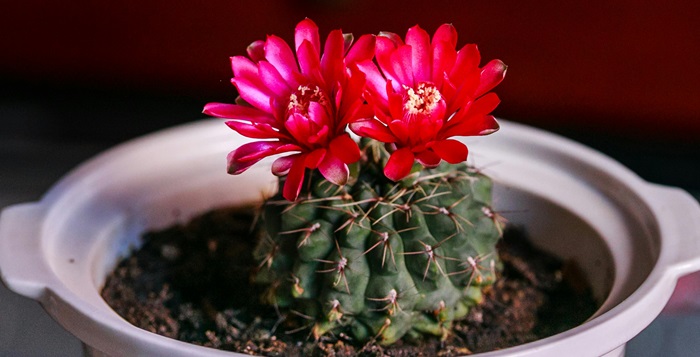
Existen muchísimas variedades de Mamillarias. Aquí te compartimos 3 de las más conocidas y famosas por sus flores y lo característico de su forma.
Top 3 de los cactus Mammillaria
- Mammillaria elongata: es originaria del estado de Hidalgo en México. Crece con múltiples tallos cilíndricos y delgados que miden entre 6 y 15cm de longitud y 1,5 y 3,5cm de diámetro. Se pueden desarrollar erguidos o rastreros, según lo lejos que se encuentren del suelo. Está muy bien protegido por unas espinas radiales que pueden llegar a 16 (son las que rodean las areolas), de color blanco; y 2 espinas centrales que suelen ser de color amarillo o rojo. Sus flores salen en primavera y son pequeñas con menos de 2cm de diámetro y de color amarillo pálido a blanco, incluso suelen salir en plantas jóvenes de apenas 2 años. Para que crezca bien debe colocarse en el exterior, a plena luz del sol (en semi sombra no crece bien), dentro de la vivienda no se adapta, tiende a estirarse hacia la fuente de luz. Si apuestas en un ejemplar que estaba protegido del sol, no lo expongas directamente a la luz solar, pues lo quemarás.
- Mammilaria matudae: es natural de las zonas desérticas y áridas de México, distribuida por el estado y cerca de la frontera de Guerrero y Michoacán. Es conocido como cactus del dedo Gordo (pulgar). Es un cactus muy hermoso extendido por todo el planeta. Es ornamental y en su floración luce en todo su esplendor. También se da muy bien en algunas zonas de California y Arizona. Crece en terrenos con latitudes entre 700 y 1250mt sobre el nivel del mar, usualmente en zonas de matorrales desérticos. Tiene 20 cm de altura con forma de globo. Su crecimiento es lento suele crecer entre las rocas. Es con forma de columna y se extiende de forma basal, formando grupos grandes. Es erguido en plena juventud y tiende a reclinarse mientras se va alargando. Cada remate o cabeza se rodea de un anillo completo con 2 o 3 flores gruesas de color magenta con forma de estrella y usualmente a solo 2 o 5 cms de la punta del crecimiento. Las espinas pueden ser de colores diversos. El tallo es cilíndrico de 10 hasta unos 20 cm de diámetro. La planta presenta el mismo color todo el año y no requiere poda.
- Mammilaria bocasana splendens cristata: tiene el tallo azul verdoso con espinas peludas blancas y lanosas. Sus espinas son radiales y ostenta de una 50 a 100 de color blanco sin pelo, de unos 8 a 10mm de largo, con una y en ocasiones dos espinas centrales grandes con forma de gancho corto de 5 a 10mm de largo. Su apariencia es extraña y no se parece a los cactus comunes a los que estamos acostumbrados. Su crecimiento es libre, se acumula de forma fácil en un montículo muy denso, asfixiado por pelos blancos. Las espinas en forma de gancho esférico eran muy utilizadas como anzuelos en México, el país de donde supuestamente se originó. Es de crecimiento rápido, puede llenar una maceta de unos 25 cm en pocos años. Su sustrato ideal es el suelo mezclado de cactus estándar, poroso, con una parte de arena gruesa y poca materia orgánica (humus y turba).